
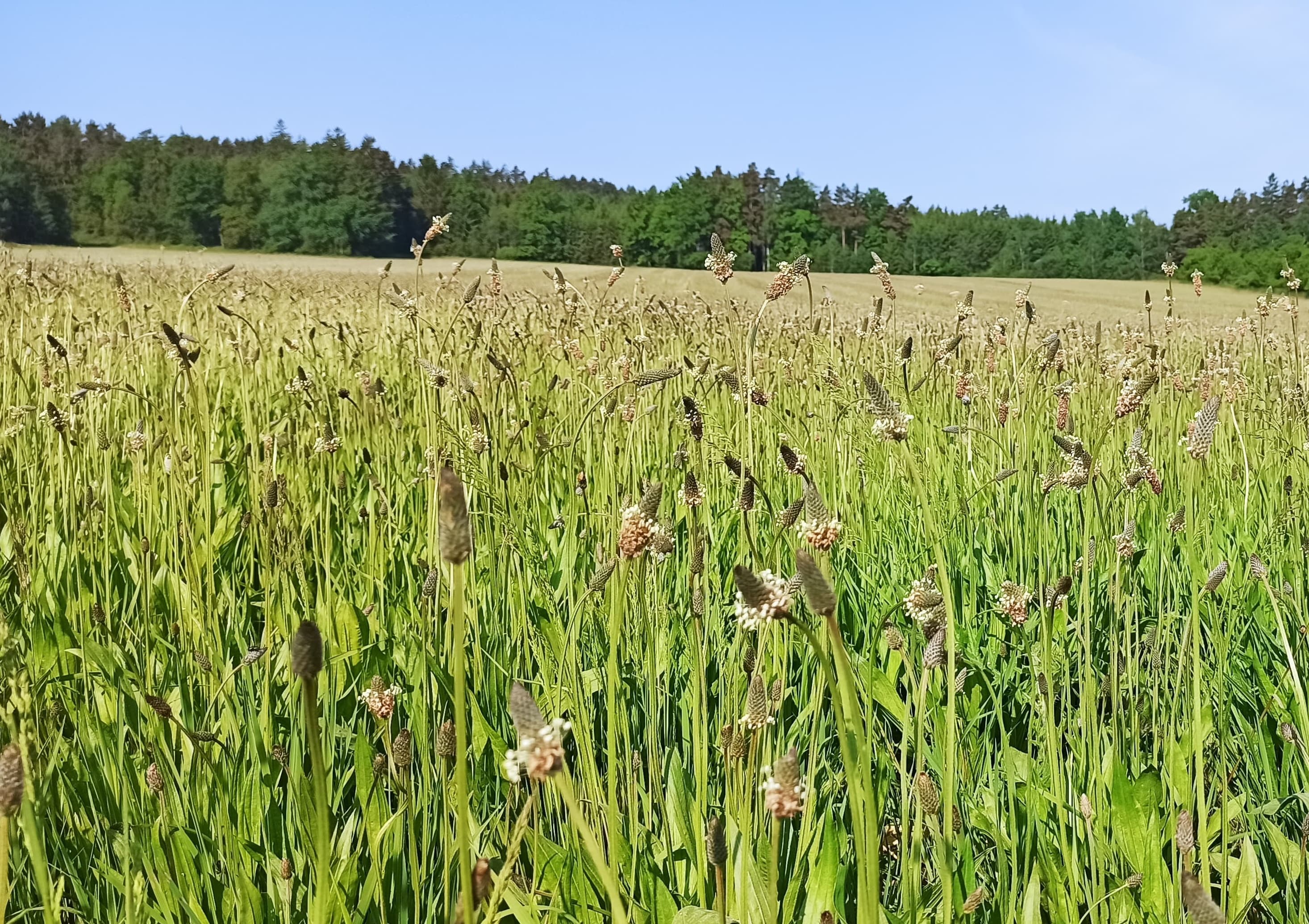
What is pollen allergy?
Pollen allergy is an immune system overreaction to pollen from trees, grasses, or herbs. In sensitive individuals, it may trigger seasonal discomfort that becomes stronger during the flowering period of specific species.
Common symptoms
Sneezing
Repeated sneezing is one of the most common seasonal reactions.
Runny or blocked nose
Nasal irritation can cause watery discharge or congestion.
Itchy, watery eyes
Eye irritation often appears together with nasal symptoms.
Throat irritation
Some people report scratching or dryness in the throat.
When pollen is usually strongest
Pollen concentration is often higher during dry, warm, and windy weather. Levels can vary by season, local vegetation, and current weather conditions.
- Dry and windy days may increase exposure.
- Outdoor activities can feel more difficult during peak flowering periods.
- Local differences matter, so practical observation is useful together with the calendar.
How to reduce exposure
Check the pollen calendar
Use the calendar to understand when specific groups are most active.
Wash after outdoor exposure
Face, hair, and clothes can carry pollen indoors.
Ventilate at better times
Evening or after-rain ventilation may feel more comfortable for some people.
Limit outdoor drying of laundry
Laundry left outside can collect pollen during peak periods.
How to use our pollen calendar
The pollen calendar gives a practical month-by-month overview of when tree, grass, and herb pollen may be active. It is useful for general seasonal orientation and for understanding which group may be relevant at a given time of year.
Open the detailed pollen calendar with English and Latin species names.
When to seek medical advice
If symptoms are persistent, severe, or include breathing difficulties, professional medical advice should be considered.
Disclaimer: This page is for general informational purposes only and does not replace professional diagnosis or treatment.